Don't Buy the Eaton Smartpro Tripp Lite Ups Until You Read This Full Analysis
In an era where digital infrastructure is the backbone of both home offices and massive enterprise data centers, the stability of electrical power is no longer a luxury—it is a fundamental requirement. Hardware failures, data corruption, and expensive downtime often stem from a single source: poor power quality. While many consumers are familiar with the Tripp Lite brand, the recent integration of Tripp Lite into the Eaton family has sparked new questions among IT professionals and electronics enthusiasts alike. The Eaton SmartPro Tripp Lite series represents a marriage of two titans in power management, but does this lineup truly deliver on its promise of "smart" protection? This analysis dives deep into the architecture, performance, and practical utility of these Uninterruptible Power Supplies (UPS) to determine if they are the right investment for your critical systems.
Understanding the Eaton and Tripp Lite Synergy
For decades, Tripp Lite was synonymous with rugged, reliable power protection in the North American market, known particularly for their SmartPro and OmniSmart lines. When Eaton acquired Tripp Lite, the goal was to combine Tripp Lite’s accessibility and mid-market dominance with Eaton’s advanced power management software and global engineering scale. The result is a refined series of Eaton SmartPro products that retain the classic Tripp Lite versatility while benefiting from Eaton’s rigorous quality control and modern connectivity options. When evaluating these units, it is essential to recognize that you are not just buying a battery in a box; you are buying into an ecosystem designed to mitigate the risks of "dirty" power—surges, spikes, brownouts, and total outages.
Technical Core: Line-Interactive Architecture
The Eaton SmartPro Tripp Lite series primarily utilizes line-interactive architecture. To understand why this matters, one must look at the three main types of UPS systems: standby, line-interactive, and double-conversion (online). Standby units are basic, only engaging the battery when power fails completely. Double-conversion units are the gold standard, constantly regenerating power but at a higher cost and energy footprint. The line-interactive design of the SmartPro series hits the "sweet spot" for most users. It features an internal Automatic Voltage Regulation (AVR) transformer that can adjust incoming voltage up or down without depleting the battery.
For users in areas with aging electrical grids, brownouts (dips in voltage) are a common occurrence. A standard standby UPS would constantly switch to battery power during these dips, eventually wearing out the cells. The Eaton SmartPro’s AVR allows it to "boost" a 100V signal back up to a steady 120V or "trim" a 135V spike down to safety, all while keeping the battery fully charged and ready for a true blackout. This technical nuance is a primary reason why professionals choose this series for servers and networking gear.
Physical Build and Deployment Options
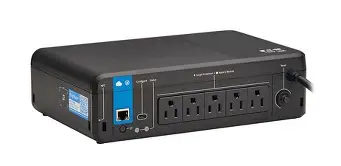
One of the standout features of the SmartPro lineup is its physical adaptability. Eaton offers these units in several form factors, ranging from compact towers that fit under a desk to 2U rack-mount units designed for standard 19-inch server enclosures. Many of the rack-mount models are "2U Rack/Tower" versatile, meaning they include the hardware needed to sit vertically on a floor or slide horizontally into a cabinet. The chassis are typically constructed from heavy-duty steel, providing excellent heat dissipation and shielding against electromagnetic interference (EMI)—a detail often overlooked in cheaper, plastic-housed alternatives.
Performance in Real-World Use Cases
To truly analyze these units, we must look at how they perform in the environments where they are most commonly deployed. A UPS is only as good as its performance during a crisis.
The Home Office and Creative Studio
For a video editor or a software developer, a five-second power flicker can mean the loss of unsaved work or, worse, the corruption of a multi-terabyte RAID array. In these scenarios, the Eaton SmartPro Tripp Lite units are valued for their silent operation (in non-fan models) and their pure sine wave output. Pure sine wave is critical for modern electronics with Active Power Factor Correction (PFC) power supplies. Using a simulated sine wave UPS on a high-end workstation can lead to humming, system crashes, or long-term hardware degradation. The SmartPro series ensures that the transition from AC to battery is seamless and the wave shape is identical to what comes out of a high-quality wall outlet.
Small Business Server Rooms
In a small business environment, the UPS often serves as the last line of defense for the "brains" of the company. The SmartPro series is frequently used to back up Network Attached Storage (NAS) devices, VOIP phone systems, and edge routers. Buyers in this segment care deeply about remote management. Most Eaton SmartPro models include a communication port (USB or DB9) that integrates with Eaton’s PowerAlert software. This allows for the "graceful shutdown" of servers. If the power goes out at 2:00 AM and the battery reaches a critical low point, the software will automatically save open files and shut down the operating system, preventing the "hard crash" that ruins databases.
Edge Computing and Networking Closets
In distributed environments like retail stores or satellite offices, the UPS needs to be "set it and forget it." The high reliability of the Eaton SmartPro components means fewer site visits for maintenance. Furthermore, models with an optional Network Management Card allow IT managers to monitor power conditions from a central headquarters thousands of miles away. You can remotely reboot stalled networking equipment by toggling individual load banks on the UPS, a feature that pays for itself in a single avoided "truck roll" (dispatching a technician).
Detailed Feature Breakdown
When analyzing the Eaton SmartPro Tripp Lite series, several specific features consistently rise to the top of buyer requirements. First is the LCD interface. Unlike older models that used a series of cryptic blinking LEDs, modern SmartPro units feature a clear, backlit LCD screen. This display provides real-time data on input voltage, battery capacity, load percentage, and estimated runtime. For a system administrator, knowing exactly how many minutes of "juice" are left is vital for triaging a power emergency.
Looking for the best Electronics deals on Amazon?
Shop Amazon →Second is the "Load Banks" or "Controllable Outlets." Higher-end models in this series divide their outlets into groups. This allows for load shedding—programming the UPS to shut down non-essential equipment (like a monitor or a printer) immediately during an outage while reserving the remaining battery for essential equipment (like the server). This effectively extends the runtime for the most critical components.
Comparison of Popular Configurations
Because the "Eaton SmartPro" name covers a wide range of capacities, it is helpful to see how the different tiers compare in terms of typical specifications. The following table highlights three common configurations buyers might consider.
| Feature | 1000VA / 1kVA Model | 1500VA / 1.5kVA Model | 2200VA / 2.2kVA Model |
|---|---|---|---|
| Typical Use Case | Home Office / PC | Gaming Rig / Small Server | Network Rack / Multiple Servers |
| Waveform | Pure Sine Wave (Most) | Pure Sine Wave | Pure Sine Wave |
| AVR Type | Single-Stage Boost/Trim | Advanced Multi-Stage | Advanced Multi-Stage |
| Form Factor | Mini-Tower or 2U Rack | Tower or 2U Rack | 2U or 3U Rack-mount |
| Connectivity | USB / DB9 / EPO | USB / DB9 / SNMP Slot | USB / DB9 / SNMP Slot |
| Runtime (Half Load) | Approx. 12-15 mins | Approx. 15-20 mins | Approx. 18-25 mins |
Pros and Cons: A Balanced View
No piece of technology is perfect. While the Eaton SmartPro Tripp Lite series is a market leader, there are trade-offs to consider depending on your specific needs and budget.
Pros
- Automatic Voltage Regulation (AVR): Exceptional at handling unstable power without switching to battery, which significantly extends the lifespan of the internal lead-acid cells.
- Pure Sine Wave Output: Essential for high-end PCs, gaming consoles, and sensitive lab equipment that might malfunction on "stepped" or "simulated" sine waves.
- Rugged Durability: The use of metal housings and high-grade internal components makes these units more resilient to physical damage and thermal stress than consumer-grade models.
- Manageability: The PowerAlert software suite is robust, and the option for network management cards provides enterprise-level control even for smaller units.
- Versatile Mounting: The ability to switch between tower and rack-mount orientations provides long-term value if your workspace evolves over time.
Cons
- Weight: Due to the heavy transformers required for line-interactive AVR and the lead-acid batteries, these units are extremely heavy and may require two people for rack installation.
- Fan Noise: Higher-capacity models (1500VA and up) often have active cooling fans that can be audible in a very quiet room, making them less ideal for bedroom recording studios.
- Lead-Acid Battery Maintenance: Most models still use Valve-Regulated Lead-Acid (VRLA) batteries, which typically need replacement every 3 to 5 years, though this is standard for the industry.
- Price Point: They are significantly more expensive than "back-ups" style units found in big-box retail stores, representing a higher initial capital investment.
Buying Guide: Key Considerations
Before committing to an Eaton SmartPro Tripp Lite UPS, you should walk through a checklist to ensure the model you choose matches your environment. Purchasing the wrong UPS can be as detrimental as having no protection at all.
1. Total Wattage calculation
VA (Volt-Amps) and Watts are not the same thing. A 1500VA UPS might only support 1350 Watts. Look at the power labels on all the equipment you intend to plug in. Add the wattages together and then add a 20% "headroom" buffer. If your total load is 500W, a 750W (approx. 1000VA) unit is the minimum you should consider. Overloading a UPS is a leading cause of premature failure.
2. Expected Runtime Requirements
Do you need the UPS to keep you working for two hours through an outage, or do you just need five minutes to save your work and shut down? Most standard UPS units are designed for the latter. If you need extended runtime, you must look for SmartPro models that support "External Battery Packs" (EXB). These units have a dedicated connector on the back to daisy-chain additional battery cabinets.
3. Outlet Type and Quantity
Ensure the UPS has enough outlets for your needs, but also verify the type of plug. Standard NEMA 5-15P plugs are common for 1500VA units, but 2200VA or 3000VA units often require a 20-amp (NEMA 5-20P) or 30-amp (NEMA L5-30P) wall outlet. You may need to have an electrician install a specific receptacle before you can even turn the unit on.
4. Communication Ports
If you are managing a virtualized server environment (like VMware or Hyper-V), ensure the UPS you select is compatible with the management software you use. Eaton’s integration is generally excellent, but checking the compatibility matrix on their technical support site is a wise pre-purchase step.
The Maintenance Lifecycle
A critical part of this analysis is understanding what happens after the purchase. A UPS is a consumable product in some respects. The batteries inside are chemical engines that degrade over time. Eaton has designed the SmartPro series with "hot-swappable" batteries. This means when the battery finally fails, you do not have to turn off your connected equipment to replace the cells. You can open the front panel, slide out the old battery tray, and slide in a new one while the UPS continues to pass filtered AC power to your gear. This feature is indispensable for 24/7 operations where downtime is not an option.
Shop the latest Electronics picks on Amazon.
See Deals →Additionally, the "Self-Test" feature should be utilized. These units can be programmed to perform a weekly or monthly battery health check. This ensures that when the power actually goes out, you aren't surprised by a dead battery that was "reporting" as full but couldn't hold a load under pressure.
Buyer Priorities: Who is This For?
The Eaton SmartPro Tripp Lite line is not for the person who just wants to keep a desk lamp and a phone charger running during a storm. It is a professional tool. The primary audience includes:
IT Managers: Who need remote visibility and the ability to cycle power to distant hardware without driving to the location.
Home Lab Enthusiasts: Who are running rack-mounted gear, Proxmox servers, or Plex instances and want to protect their hardware from surge damage and hard shutdowns.
Small Business Owners: Who rely on a local server for point-of-sale systems or customer databases and cannot afford for a 30-second power dip to disrupt an entire day of sales.
Audio/Video Professionals: Who require clean, pure sine wave power to prevent interference with sensitive pre-amps, monitors, and color-grading workstations.
Final Conclusion on the Eaton SmartPro Tripp Lite Series
The decision to invest in an Eaton SmartPro Tripp Lite UPS should be based on the value of the equipment you are protecting and the cost of the data you might lose. While the market is flooded with cheaper alternatives, this series stands out because of its robust line-interactive architecture and its legendary heritage in the IT space. The inclusion of Automatic Voltage Regulation, pure sine wave output on most models, and the ability to integrate into complex software environments makes it a "pro-grade" choice.
If you are operating in an environment with frequent voltage fluctuations, or if you are using modern electronics with sensitive power requirements, the SmartPro series is one of the most reliable selections available today. It offers a clear path toward power resilience, combining physical durability with intelligent management features. As long as you accurately calculate your power load and understand the maintenance requirements of VRLA batteries, an Eaton SmartPro unit is likely to be the most critical piece of hardware in your rack or under your desk. It provides not just electricity, but the peace of mind that your digital life is shielded from the unpredictability of the power grid.