Which is Better Value? Apple Airpods Max vs Apple Air Pods Max 2 Compared
In the high-stakes world of premium personal audio, few products have generated as much conversation, debate, and aesthetic influence as the Apple AirPods Max. When Apple first entered the over-ear segment in late 2020, it didn't just release a pair of headphones; it redefined the category as a luxury tech accessory. With the subsequent release of the AirPods Max 2, Apple faced the difficult task of improving upon a design that many considered nearly perfect in terms of build quality, while addressing specific technical limitations that had emerged over years of heavy use by the creative class and tech enthusiasts alike.
For the average consumer standing at the crossroads of a purchase decision, the "value" proposition is rarely about the lowest price tag. Instead, it is about the intersection of longevity, performance, and day-to-day utility. The original AirPods Max and the updated AirPods Max 2 share a look that is almost identical, yet the internal shifts and connectivity updates represent a significant pivot in Apple’s hardware philosophy. This article explores the nuances of both generations to determine which model offers the superior return on investment for different types of listeners.
The Evolution of the AirPods Max Infrastructure
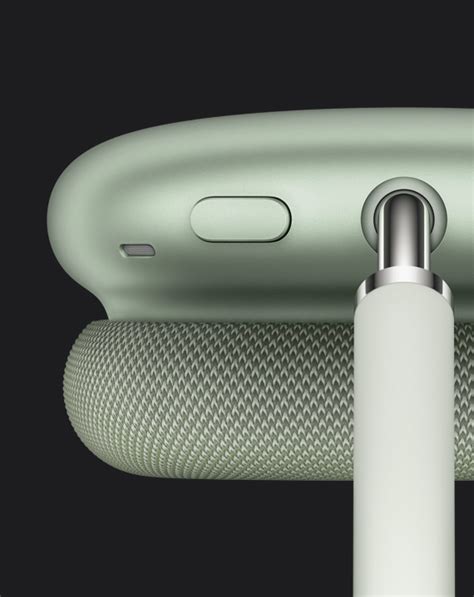
To understand the value of the AirPods Max 2, one must first appreciate the foundation laid by the original. The first-generation AirPods Max were a radical departure from the plastic-heavy builds of industry stalwarts like Sony and Bose. By utilizing a machined aluminum ear cup design and a knit-mesh canopy headband, Apple created a set of headphones that felt more like a piece of high-end furniture or a precision timepiece than a standard consumer electronic. This heavy use of premium materials, however, came with a weight penalty—nearly 385 grams—that defined the user experience.
The AirPods Max 2 maintains this iconic silhouette. To the untrained eye, the two are indistinguishable, save for a few refined color options. However, the true evolution lies in the transition to USB-C charging and the integration of more advanced silicon. While the original relied on the H1 chip in each ear cup, the second generation leverages the refined processing power of the H2 chip. This shift is not merely a specification bump on a spreadsheet; it dictates how the headphones handle the complexity of modern spatial audio, computational photography-style sound processing, and energy management.
Detailed Product Analysis: Audio Performance and Computational Sound
The Acoustic Profile
Both generations utilize custom 40mm dynamic drivers designed by Apple. These drivers are engineered to provide exceptionally low distortion across the entire audible range. In practical terms, this means that whether a user is listening to a delicate solo cello suite or a bass-heavy electronic track, the headphones maintain clarity. The bass is deep and authoritative but never "blooms" into the mid-range—a common flaw in lower-tier consumer headphones.
The AirPods Max 2 gains a slight edge in "computational transparency." Because the H2 chip can process sound at a much faster rate than the H1, the Adaptive EQ—which adjusts the frequency response of the music to the fit and seal of the ear cushions—is more precise. For users who wear glasses or have varying hairstyles, this real-time adjustment ensures that the "intended" sound signature remains consistent. High-frequency detail in the second generation feels slightly more airy, though the core frequency response remains very similar to the original.
Active Noise Cancellation (ANC) and Transparency Mode
This is where the value gap begins to widen. The original AirPods Max were already leaders in the industry for Transparency Mode, a feature that makes the headphones feel "invisible" by piping in ambient sound with zero perceived latency. The AirPods Max 2 takes this further with Adaptive Audio. This feature dynamically blends Transparency Mode and Active Noise Cancellation to tailor the noise control experience as the user moves between environments. For instance, if a user is walking down a quiet street, transparency is favored, but if a construction crew starts a jackhammer nearby, the H2 chip instantly suppresses that specific frequency while keeping the rest of the soundscape natural.
Discover deals on Electronics — updated daily.
See Deals →The ANC on the AirPods Max 2 is officially rated to cancel up to twice as much noise as the original. In a real-world use case, such as a long-haul flight, the persistent hum of jet engines is effectively erased on both models, but the second generation is notably better at silencing the unpredictable, high-pitched sounds of a crowded office or a crying infant. For the professional who uses headphones as a tool for deep focus, this improvement in isolation is a primary driver of value.
Daily Utility and Lifecycle Considerations
The most significant "quality of life" change in the AirPods Max 2 is the move to USB-C. As the world moves away from Apple’s proprietary Lightning connector, the ability to charge one’s MacBook, iPad, iPhone, and AirPods Max 2 with a single cable is a massive convenience. For travelers specifically, this reduces "cable clutter" and ensures that if a cable is lost, a replacement is much easier to find.

Furthermore, the AirPods Max 2 introduces Personalized Volume and Conversation Awareness. Conversation Awareness is particularly useful in an editorial or office setting; when the user begins to speak, the headphones automatically lower the volume of the media and enhance the voices of the people in front of them. Once the conversation ends, the music swells back to its original volume. Owners of the original AirPods Max have to manually trigger Transparency Mode or remove the headphones, making the second generation feel significantly more "intelligent" in social contexts.
Pros and Cons
Apple AirPods Max (Original)
- Pros: Still offers industry-leading build quality and materials; often available at significant discounts; superb integration with the Apple ecosystem; the digital crown remains the best physical control mechanism in the class.
- Cons: Uses the aging Lightning connector; lacks the "H2" exclusive features like Adaptive Audio; H1 chip is nearing the end of its peak support cycle; heavier than most competitors.
Apple AirPods Max 2
- Pros: Modern USB-C charging port; H2 chip enables 2x better ANC and Adaptive Audio; subtle but sophisticated new color palettes; improved battery efficiency and faster pairing; Personalized Spatial Audio with dynamic head tracking is more refined.
- Cons: Premium price point with rarely any initial discounts; the "Smart Case" design still offers minimal protection for the headband; no significant reduction in weight from the first generation.
Direct Comparison: Technical Specifications
| Feature | AirPods Max (Original) | AirPods Max 2 |
|---|---|---|
| Processor | Apple H1 Chip (in each ear cup) | Apple H2 Chip (in each ear cup) |
| Charging Port | Lightning | USB-C |
| Noise Cancellation | Standard Pro ANC | Up to 2x more effective ANC |
| Audio Features | Transparency Mode, Adaptive EQ | Adaptive Audio, Conversation Awareness, Personalized Volume |
| Bluetooth Version | Bluetooth 5.0 | Bluetooth 5.3 |
| Battery Life | Up to 20 hours | Up to 20 hours (more efficient power draw) |
| Sensors | Optical, Position, Case-detect, Accelerometer, Gyroscope | Enhanced High-dynamic-range sensors |
Buying Guide: Which One Should You Choose?
Deciding between these two models requires an honest assessment of your existing hardware ecosystem and your specific audio priorities. Because Apple products retain their value and functional utility for many years, both options are viable, but they serve different "value" niches.
The Case for the AirPods Max 2
You should opt for the second generation if you are currently "all-in" on the USB-C transition. If you have an iPhone 15 or later, or a modern MacBook, the frustration of carrying a separate Lightning cable just for your headphones will eventually outweigh the initial cost savings of the older model. Furthermore, if you frequently commute in loud urban environments—subways, busy city streets, or open-office plans—the H2 chip’s ability to suppress twice the noise is a literal game-changer for your hearing health and mental focus. The AirPods Max 2 is also the "future-proof" choice; as Apple releases new firmware updates and audio features in the coming years, the H2 chip will have the overhead to support them, whereas the H1 is likely at its ceiling.
The Case for the Original AirPods Max
The original model is the "value" king for the budget-conscious luxury buyer. In the current market, the original AirPods Max can often be found at a significant reduction compared to the MSRP of the second generation. If you still use an older iPhone with a Lightning port, or if you primarily use your headphones at home where having one extra cable isn't a burden, the audio quality remains 95% of what the newer model offers. For users who don't care about "Adaptive Audio" and are happy to manually toggle between Noise Cancellation and Transparency, the original provides the exact same prestige build and nearly identical acoustic performance for a much lower entry price.
Real-World Use Case Analysis
Consider the "Frequent Flyer." On a thirteen-hour flight, comfort and isolation are the only things that matter. While both headphones share the same headband design—which excels at distributing weight but can still feel heavy—the AirPods Max 2 provides a quieter "cabin" feel. However, if that traveler loses their charging cable in a foreign airport, finding a USB-C cable (AirPods Max 2) is a five-minute task, while finding a Lightning cable is becoming increasingly difficult as retailers phase them out.
Discover deals on Electronics — updated daily.
See Deals →Consider the "Home Office Professional." If you spend your day on Zoom calls and listening to lo-fi beats, the H1-powered original is more than sufficient. The microphone array is identical in both, and the vocal clarity for calls is superb on both models. Unless you find yourself constantly needing to talk to family members while keeping your headphones on (making Conversation Awareness on the Max 2 valuable), the savings of the original model can be better spent elsewhere.
Longevity and Sustainability
In the electronics category, value is also measured by how long a product stays out of a landfill. The aluminum construction of the AirPods Max series makes them incredibly durable; they do not creak like plastic competitors, and the hinges remain fluid after thousands of cycles. The ear cushions are magnetically attached and easily replaceable, which is a key longevity factor. Since these cushions are the same for both generations, owners of the original can refresh their headphones for a small fee, keeping them feeling new.
However, the move to USB-C in the AirPods Max 2 is a win for sustainability in the long run. By aligning with global standards, Apple is ensuring that the headphones won't become obsolete simply because their charging standard died. The H2 chip also offers better power management, which might lead to fewer deep-discharge cycles on the internal lithium-ion batteries, potentially extending the overall lifespan of the unit by a year or more compared to the original.
Conclusion
When comparing the Apple AirPods Max and the AirPods Max 2, the question of "better value" depends entirely on your perspective. If value is defined as the lowest cost for a premium experience, the original AirPods Max wins. It provides the same iconic design, nearly the same sound quality, and the same comfortable physical interface for a price that is often much more accessible on the secondary or refurbished market.
However, if value is defined as the "cost per year of utility," the AirPods Max 2 is the superior investment. The integration of the H2 chip provides tangible improvements in the one area where over-ear headphones must excel: Noise Cancellation. When you combine that with the convenience of USB-C and the future-proofing of a newer processor, the second generation justifies its higher price point for anyone planning to keep their headphones for the next five to seven years. For the modern consumer who values a seamless tech ecosystem and the highest levels of computational audio performance, the AirPods Max 2 represents the pinnacle of Apple’s audio engineering and the better long-term value in the high-end electronics market.